Atlassian Solution

Customer Experience Jira Service Management with Confluence (Branded Portal + Relevant Assets)

A customer experience Jira Service Management solution creates a consistent, professional front door for customers: a branded portal for requests and updates, and a self-service knowledge base for fast answers.


customer experience jira service management

This implementation combines Jira Service Management (JSM) for the customer portal and service desk workflows with Confluence for customer-facing documentation—so the experience feels unified, scalable, and easy to use.

This solution typically combines:

  • Jira Service Management (JSM) for a branded help center/portal, request types, queues, SLAs, and customer access settings

  • Confluence as a knowledge base connected to the portal for customer self-service articles

  • Assets in JSM to link customers to the right products/services and filter portal selections so customers see only relevant items

Read articles about Customer Experience Jira Service Management with Confluence

Why This Matters: Challenges We Solve

Customer experience breaks down when the portal feels generic, customers can’t find answers, and requests lack context. A customer-facing Jira Service Management setup solves this with branding, self-service, and relevance-based forms.

The portal doesn’t feel like the brand

A generic service desk experience reduces trust and makes adoption harder—especially for external customers.

Customers can’t find answers, so ticket volume stays high

Without a strong knowledge base experience, common questions turn into repetitive requests.

Wrong routing and incomplete requests slow response times

If request forms don’t collect the right data, agents spend time clarifying instead of resolving.

Customers see too many options or irrelevant items

When forms show every product/service, customers select the wrong items and the experience feels confusing.

Access control is unclear across customers and organizations

In B2B scenarios, visibility must be controlled so customers only see what they should.

Status updates require manual communication

Without structured workflows and portal visibility, teams rely on email updates that don’t scale.

Core Features of Customer Experience Jira Service Management with Confluence (Branded Portal + Relevant Assets)

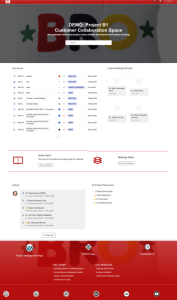
1) Branded Customer Experience Portal (Help Center + Portal Look & Feel)

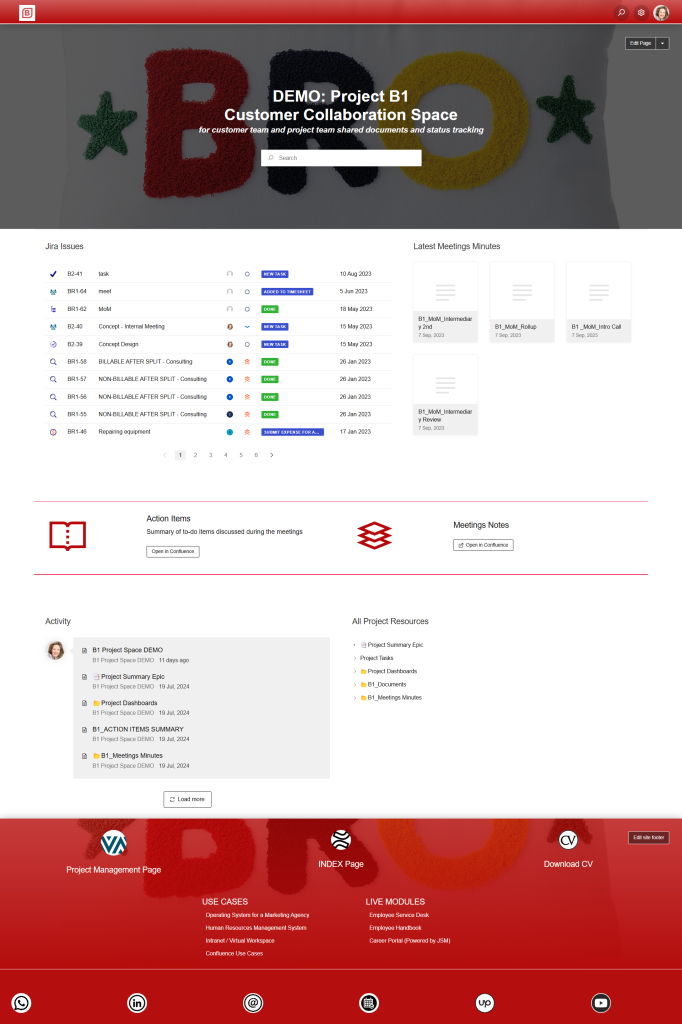
  • Configure branded help center and portal experience (colors, layout, and portal presentation) to match customer expectations

  • Structure the request catalog into clear service categories (support, onboarding, changes, access, billing, etc.)

  • Optional: support multiple help centers/portals where different brands, products, or regions need distinct experiences

  • Optional: apply a custom domain strategy for a more recognizable customer-facing URL (where applicable)

2) Customer Experience Jira Service Management Access Model (Customers + Organizations)

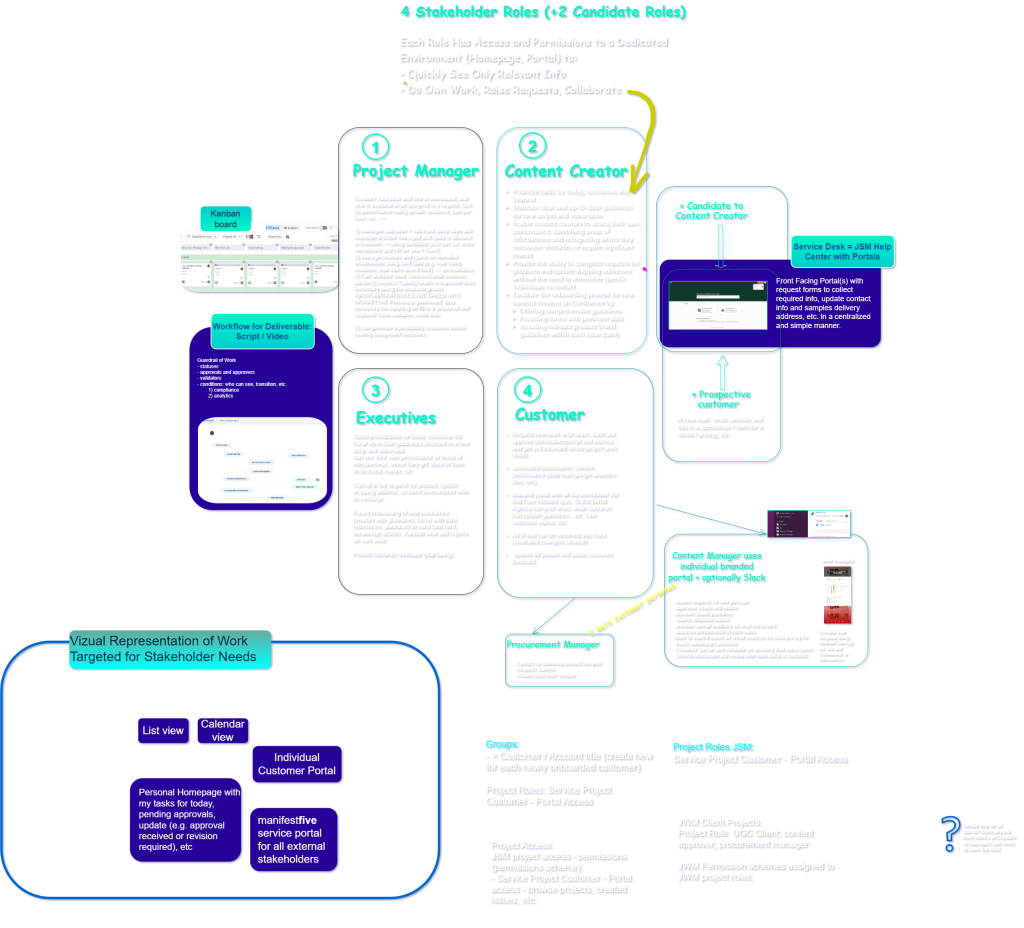
  • Set portal access to match the business model (open, limited to specific groups, or restricted to invited customers)

  • Use customer organizations to align B2B customers with the right service channels and visibility patterns

  • Define sharing rules and collaboration patterns using request participants (for customer-side stakeholders)

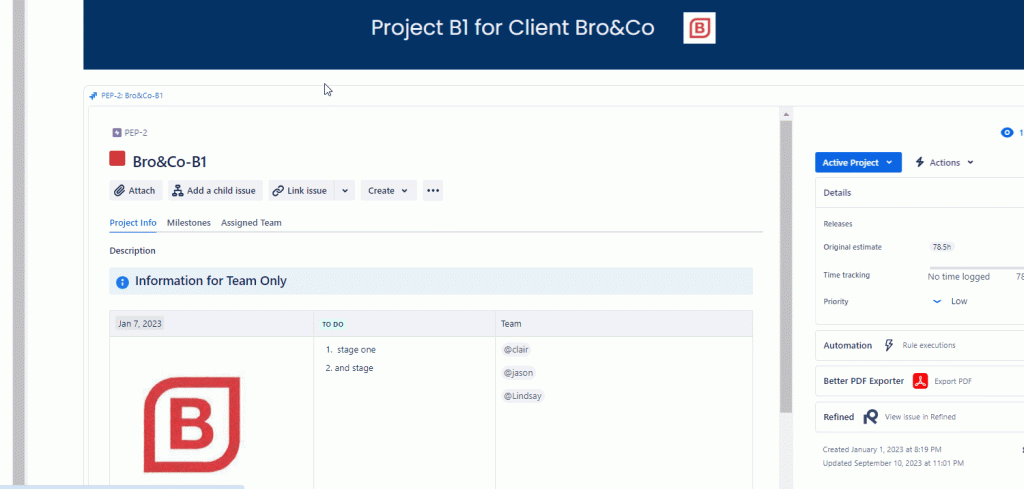
Branded Customer Experience Portal
Service Desk Workflows for a Consistent Customer Experience

3) Service Desk Workflows for a Consistent Customer Experience

  • Implement request types and workflows that match customer-facing scenarios (support requests, incidents, onboarding, changes)

  • Configure queues and ownership rules to reduce “lost” requests and speed up triage

  • Apply SLAs where response/resolution targets are part of the customer promise

  • Standardize customer updates and notifications so communication stays consistent

4) Assets-Based Relevance: Customers See Only Relevant Items in Forms

  • Use Assets in JSM to model products, subscriptions, sites, environments, devices, or services linked to customers

  • Configure Assets object custom fields with AQL-based filtering so portal pickers show only the right objects for the context (and support cascading selections)

  • Apply schema roles/permissions so assets data is governed and maintained safely

  • Outcome: fewer incorrect submissions, better context for agents, and a cleaner customer experience

4) Assets-Based Relevance: Customers See Only Relevant Items in Forms

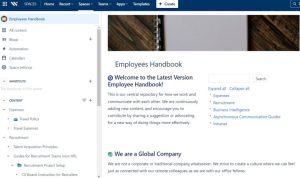
5) Confluence Knowledge Base for Customer Self-Service

  • Connect Confluence as the knowledge base so customers can search articles from the help center and resolve issues faster

  • Use article categorization to mirror the portal catalog (help customers navigate by topic)

  • Maintain customer-facing documentation (setup guides, FAQs, troubleshooting, release notes) with ownership and review cadence

6) Customer Experience Reporting and Continuous Improvement (Optional)

  • Track request volumes, top contact reasons, deflection opportunities (knowledge usage), and service performance trends

  • Identify friction in the portal: incorrect selections, re-open patterns, missing information fields

  • Use insights to refine request types, Assets filters, and knowledge content over time

Customer Experience Reporting and Continuous Improvement

How It Works: Solution Architecture

Atlassian Platform Foundation

Jira Service Management (portal + workflows) + Confluence (knowledge base) + Assets in JSM (relevant item selection + context).

Connected Customer Journey

Customer enters branded portal → searches knowledge → selects relevant product/service via Assets-filtered fields → submits request → tracks status and communications → knowledge improves based on recurring demand.

Governance That Scales

Access controls, standardized request types, Assets schema ownership, and knowledge publishing rules prevent drift as customers and services grow.

Templates Included into Customer Experience Jira Service Management with Confluence (Branded Portal + Relevant Assets)

Consulting Services Related to Customer Experience Jira Service Management with Confluence (Branded Portal + Relevant Assets)

FAQ about Customer Experience Jira Service Management with Confluence (Branded Portal + Relevant Assets)

Branding can be applied through help center and portal look-and-feel customization, aligning the customer portal to your visual identity.

Portal access settings can be configured to allow broad access or restrict to invited customers; organizations can be used to manage customers at scale.

Assets object fields can be configured with AQL filters (including context-based filtering) so only the correct objects are selectable, reducing wrong submissions.

Knowledge base articles can be created and categorized so customers can search and browse answers directly from the help center experience.


Request participants allow a request to be shared so others can view/comment and receive notifications.

A common pattern is to structure separate portals / help centers when audiences and service catalogs differ, while keeping consistent governance and reporting.

Contact me for a free consultation!