Consulting Services
Data Analytics and Business Intelligence Services
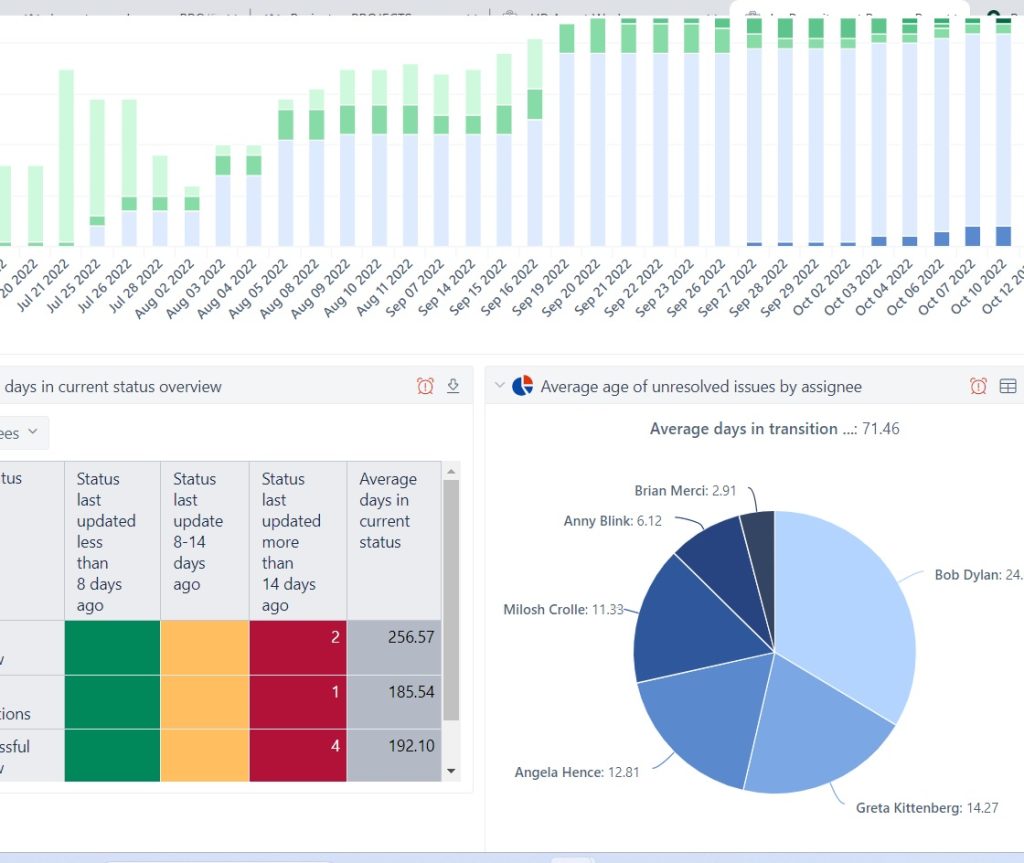
Data analytics and business intelligence services help transform Atlassian data into leadership-ready insights—without manual spreadsheets. This consulting service designs KPI frameworks, builds scalable reporting in Jira and Confluence, and delivers EazyBI dashboards that support operational control and executive decision-making.
Data Analytics and Business Intelligence Services for Atlassian Platforms
Organizations using Jira and Jira Service Management often need consistent, comparable reporting across teams, workflows, and regions. This service establishes a governed analytics approach: shared KPI definitions, reliable dashboards, drill-down reporting, and a clear ownership model to keep metrics accurate over time.
Key Benefits and Outcomes of Data Analytics and Business Intelligence Services
Executive Visibility
Leadership dashboards that show performance, risk, and trends with drill-down to real Jira work. Designed for decision-making across teams and business units.
KPI Standardization
A shared KPI library with consistent definitions (e.g., Done, On track, Breach), filters, thresholds, and ownership. Prevents metric drift and makes reporting comparable at scale.
Operational Control
Day-to-day reporting for workload, aging, bottlenecks, and SLA performance. Clear signals for teams and service leaders to act early and manage flow.
Reporting Architecture
Jira/JSM reporting configuration with standardized fields, mappings, and dimensions that make analytics reliable. Creates clean rollups across projects and teams and supports accurate historical trends at scale.
Publishing & Adoption
Dashboards delivered in Jira and shared in Confluence reporting pages for recurring governance and stakeholder updates. Enablement included for consumers and report builders to scale usage.
Efficiency & Scalability
Replace manual exports and spreadsheet consolidation with automated reporting and repeatable dashboard packs. A foundation that can expand to enterprise-wide analytics and multi-source BI when needed.
Approach to Data Analytics and Business Intelligence Services
- 1. Discover OKRs
- 2. Design KPIs
- 3. Build Dashboards
- 4. Validate Outputs
- 5. Operationalize Governance
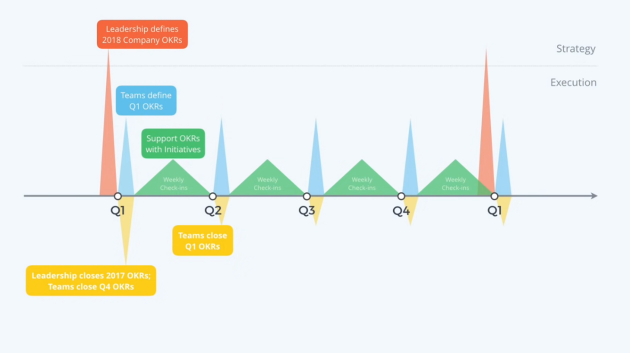
Clarify the reporting goals and connect them to measurable OKRs. Identify stakeholders and define the key decisions the dashboards must support. This ensures the analytics effort stays outcome-driven from day one.
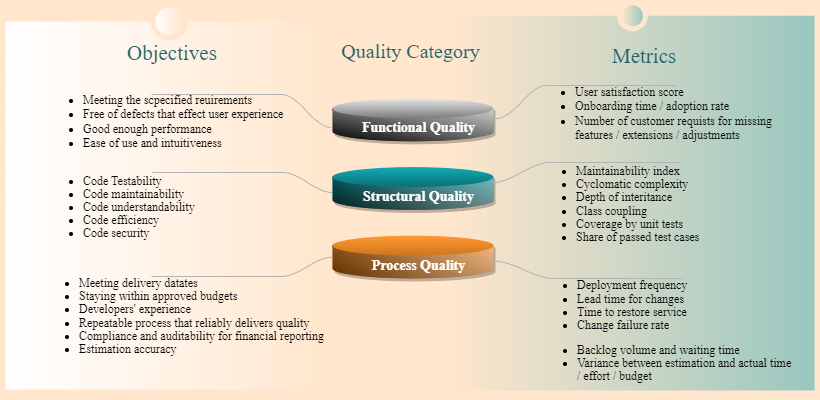
Define the KPI catalogue that will measure progress against the OKRs. Standardize metric definitions, data rules, and dashboard layout standards so reporting stays consistent across teams. This prevents KPI drift and improves trust in the numbers.
Implement the analytics model, metrics, and dashboard packs in the chosen reporting layer. Create executive and operational views with drill-down to real work items. Keep the build reusable so new teams and projects can be onboarded faster.
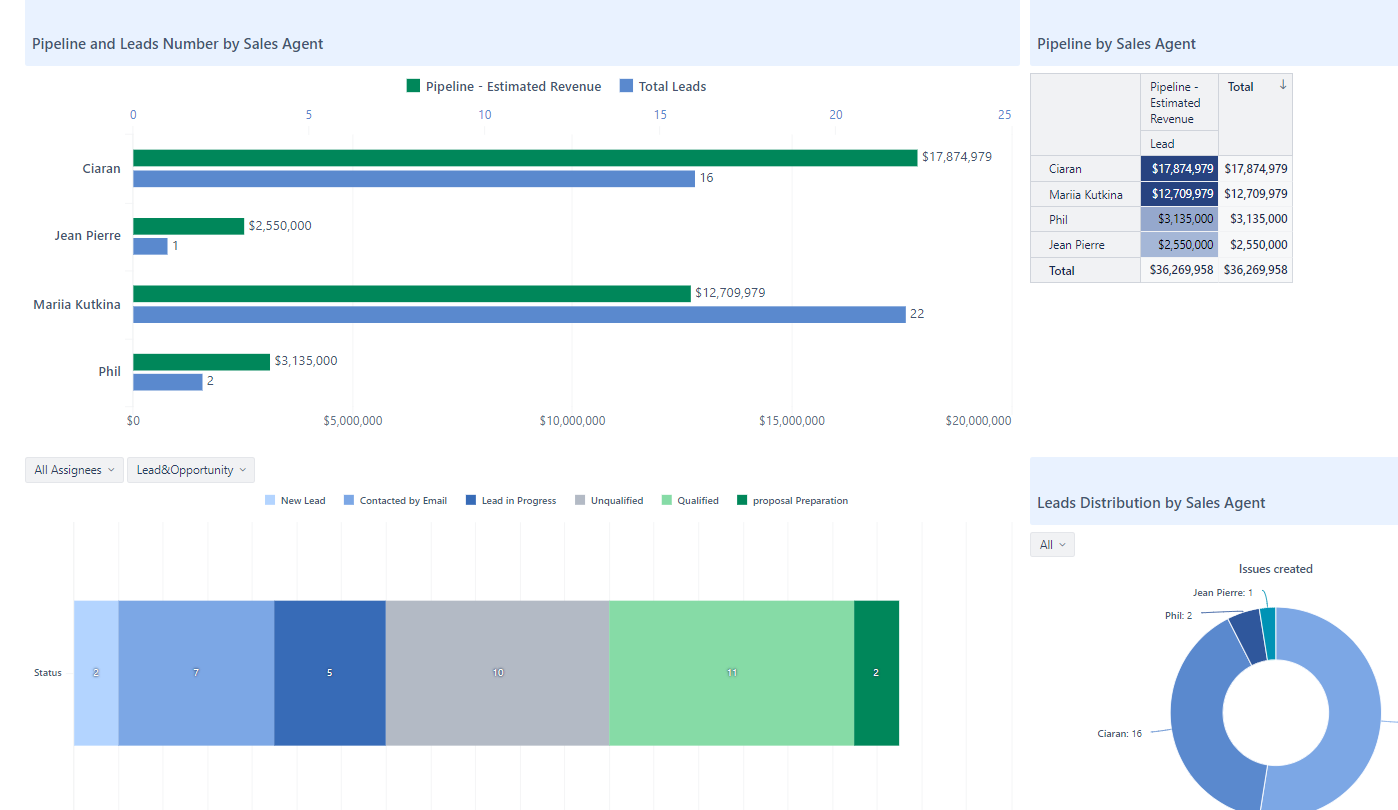
Review dashboards with stakeholders and validate that KPIs reflect real-world operations. Adjust definitions, filters, and thresholds before scaling to more teams. This step avoids rolling out misleading metrics.
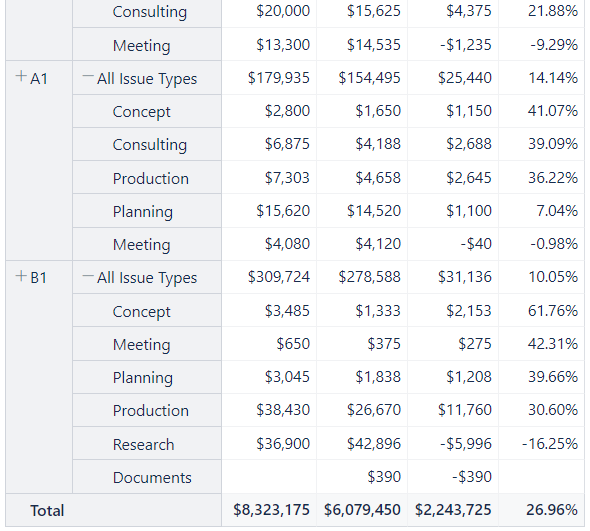
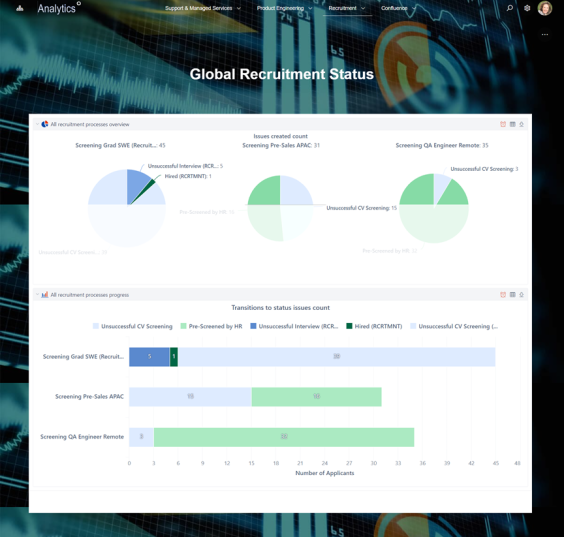
Introduce governance, ownership, and a refresh cadence so dashboards remain current and reliable. Add enablement for consumers and report builders to support adoption. Establish a lifecycle for dashboards so they evolve without breaking historical reporting.

Why Jira Reporting Scales with Data Analytics & BI
Standardize KPIs across teams and business units while keeping reporting connected to real Jira work. Deliver executive dashboards, drill-down visibility, and governance that scales from quick wins to enterprise-wide BI.
Flexible Consistency
Enterprise reporting stays consistent across teams and business units without forcing identical workflows—ideal for scaled Jira adoption.
Actionable Drill-down
Drill down from executive dashboards to Jira issues and JSM requests to investigate blockers, ownership, and next actions fast.
Metric Governance
KPI governance prevents metric drift and protects historical trends, keeping analytics trustworthy across time, teams, and tools.
Scalable Delivery
Start with high-impact dashboards and expand using reusable templates, enabling scalable data analytics and business intelligence services.
Read articles about Data Analytics and Business Intelligence
Explore the Data Analytics EazyBI Solution
Data Analytics eazyBI (Advanced Reporting for Atlassian Jira)
Data analytics eazyBI solution for Jira and Confluence: custom reports,...
Read MoreRelated Templates for Jira Reporting
Use these ready-to-use templates to standardize Jira dashboards, KPI reporting, and analytics across teams. Each template supports scalable Data Analytics & BI delivery.
Key Performance Indications (KPI) Template
Template Key Performance Indicators (KPI) Template Define, measure, and track...
Read MoreObjective and Key Results (OKR) Template
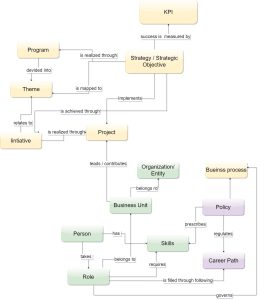
Template Objectives and Key Results (OKR) Set ambitious goals, align...
Read MorePortfolio Performance Report Template
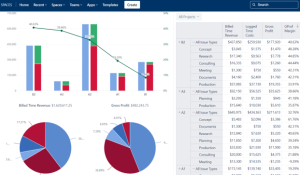
Template Portfolio Performance Report Template for Atlassian Track portfolio health,...
Read MoreDeveloper Metrics and Report Template
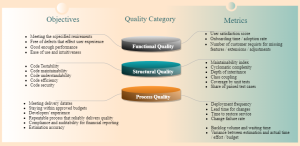
Template Developer Metrics and Report Template for Atlassian Track engineering...
Read MoreSales and Marketing Report Template for Atlassian Jira and Confluence
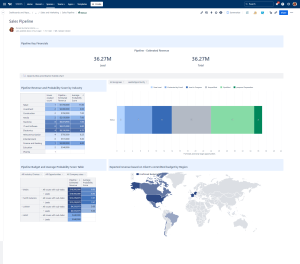
Track campaigns, leads, opportunities, and performance with the Sales and...
Read MoreJira Project Status Report Template
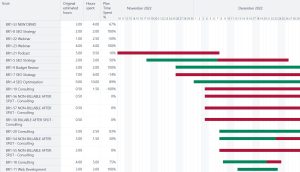
Create automated, real-time project status reports with the Jira and...
Read MoreFinancial Report Template
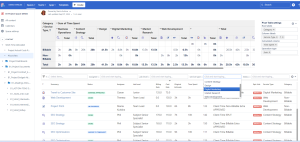
Monitor cost, margins, utilization, and profitability with Financial Report Template...
Read MoreHuman Capital Report Template with Jira and EazyBI
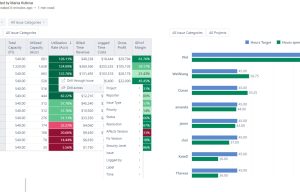
Track skills, performance, utilization, learning, and workforce health with the...
Read MoreData Analytics & BI FAQ

They focus on turning Jira/JSM data into trusted KPIs and dashboards, with consistent definitions, drill-down reporting, and governance to keep metrics reliable.
Consistency comes from a shared KPI catalogue and mapping rules that normalize fields and statuses into comparable metrics, while allowing teams to keep local ways of working.
Start with a small set of executive KPIs and operational dashboards, then expand using templates and governance so reporting remains consistent as adoption grows.
EazyBI is typically used when reporting needs go beyond basic Jira gadgets—custom metrics, historical trends, multi-dimensional analysis, and reusable dashboard packs.